


The First Word: Why bad hires are usually systems failures

When a new hire fails, most organisations blame the person they hired. In many cases, the real problem started much earlier. It began with a broken hiring system. Across Southeast Asia, talent acquisition has become harder to manage and more consequential. Competition remains fierce, businesses are expanding across borders and job requirements are evolving faster […]
Five sustainable people practices HR should prioritise
Sustainability in HR extends beyond environmental responsibility to encompass workforce resilience and long-term capability building. Across Southeast Asia, organisations are increasingly expected to balance commercial performance with responsible employment practices. Investors, regulators, and employees alike are scrutinising how organisations manage people sustainably. In markets such as Singapore and Malaysia, ESG reporting requirements are strengthening accountability. […]
HR Tech Update: The context of Labour Day realities
Labour Day across Southeast Asia serves as a reminder of the changing nature of work, employee expectations, and the role organisations play in providing fair and sustainable employment. For HR and learning teams, the occasion highlights ongoing challenges around workload, job security, and access to development. HR technology increasingly sits at the centre of how […]
The First Word: Leadership lessons from the frontline of Special Education
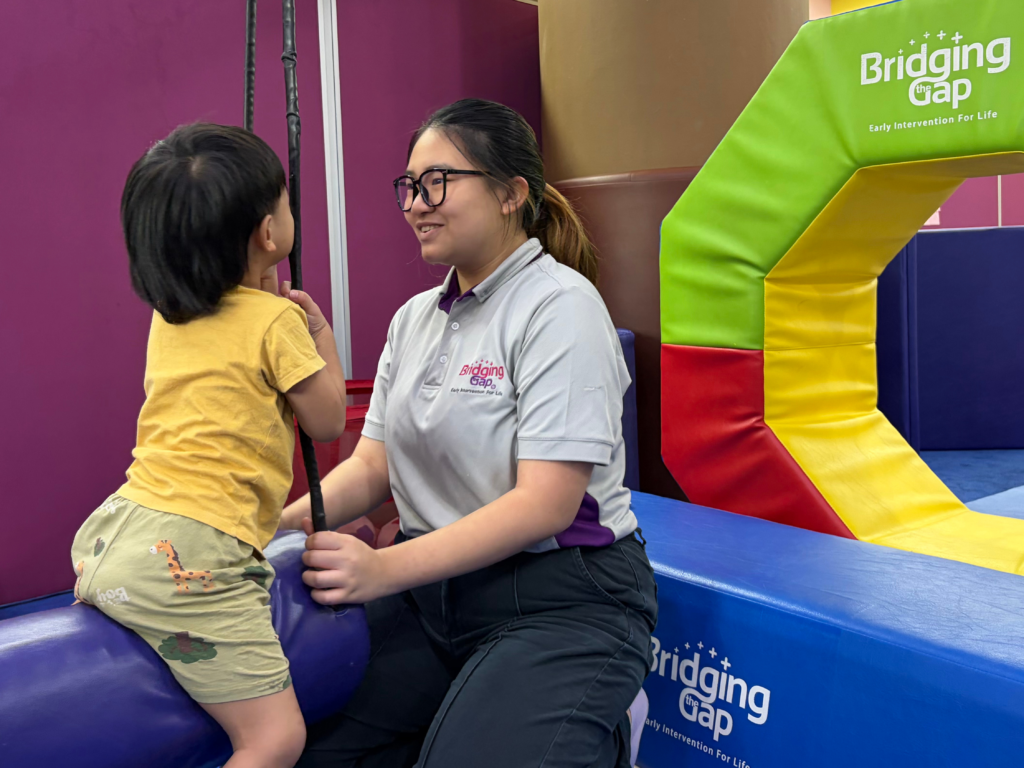
I was 19 when I first stepped into special education. At that age, I did not think about leadership in a serious way. I thought leadership belonged to people much older than me, people with years of experience, big job titles, and lots of confidence. I certainly did not expect to learn about it in […]
Five signs employee burnout is becoming systemic
Employee burnout is no longer an isolated wellbeing concern but an organisational risk across Southeast Asia. Prolonged workload pressure, economic uncertainty, and rapid digital adoption have intensified expectations in many industries. In financial services hubs like Singapore and manufacturing centres in Vietnam and Thailand, sustained performance demands are testing workforce resilience. While individual burnout cases […]
HR Tech Update: Why experience-led learning platforms are replacing traditional LMS
Traditional learning management systems were designed to administer courses, track attendance, and ensure compliance. While these functions remain important, they no longer meet the full needs of modern workplaces. Across Southeast Asia, learning teams are increasingly adopting experience-led platforms that focus on engagement, relevance, and flexibility. In 2026, this shift reflects changing expectations around how […]
The First Word: The future of HRTech in 2026 and beyond

Five years ago HRtech was probably seen in a different lens but it is no longer viewed as a novel digital transformation idea in the conventional sense. Across global enterprises, core HR platforms are now already in place. Cloud migration is largely complete. Systems of record have been selected, deployed and embedded into daily operations […]
Five reasons career stagnation drives attrition
Career stagnation remains a significant driver of voluntary turnover across Southeast Asia. In competitive labour markets, employees increasingly prioritise growth opportunities alongside compensation. When progression pathways appear unclear or inaccessible, disengagement often follows. In Singapore’s knowledge economy and Indonesia’s expanding corporate sector, mid-career professionals frequently seek advancement to maintain relevance. Without visible development opportunities, organisations […]
HR Tech Update: Learning technology that drives real workplace application
Learning investment only delivers value when new skills are applied on the job. Across Southeast Asia, HR teams are increasingly questioning whether learning technology supports real behaviour change or simply content consumption. This has driven demand for platforms that prioritise application rather than completion. In 2026, learning technology is being evaluated not by how much […]
Five skills HR teams must future-proof now
The HR function across Southeast Asia is evolving rapidly as digital transformation, workforce mobility, and regulatory complexity reshape organisational priorities. Traditional administrative capabilities remain important, but they are no longer sufficient for long-term impact. In markets such as Singapore and Thailand, HR leaders are expected to contribute strategically to workforce planning and transformation. Meanwhile, in […]

